Dog-Friendly Hikes Napa: Trails and Leash Rules Guide
Plan dog-friendly hikes around Napa, California, from Alston Park's orchard trails to river paths and state park walks, with leash rules and heat notes.
On this page
Napa reads as wine country, but the county's trail network is what makes it a genuinely good dog destination. You can do a half-mile orchard loop in the morning, a flat riverside mile at midday, and a forest climb in the afternoon without leaving the valley. The trick is matching the surface and shade to the season rather than collecting the most miles.
This guide sorts the walks by what they ask of your dog: open hills with off-leash acreage, paved paths with bikes and strollers, and state-park forest with creek crossings. It sticks to places where the land manager or a dog-travel directory documents access, and it flags the fees, water gaps and rule quirks worth knowing before you load the car.
Quick Answer: The Short List of Napa Walks That Work With a Dog
For most visitors, Alston Park off Dry Creek Road is the single best dog stop in Napa: 157 acres of rolling hills with orchard remnants, a half-mile Prune Picker's Trail for an easy leg-stretch, and a fenced three-acre dog park called Canine Commons if your dog needs a controlled space to socialize.
If your dog is a puppy, a senior or heat-sensitive, swap the hills for the Napa River and Bay Trail, where completed sections are flat and stroller-friendly. Dog owners who want a real forest walk with creek shade should look at the History Trail in Bothe-Napa Valley State Park, a 1.2-mile one-way route that ends at Bale Grist Mill.
Fit, recall-trained dogs get the most freedom at Alston Park's summit, where nearly 30 acres run off-leash, while leashed-only walkers get the flat Conn Valley gate approach to the Lake Hennessey Shoreline Trail. Treat any list as a starting point and read the trailhead board before you unclip a leash.
How Napa's Terrain Shapes a Dog Hike
Napa splits into two walking worlds. The valley floor along the Napa River is flat, paved or gravel-topped, and exposed, which makes it easy on joints but hot underfoot from late morning onward. The hills east and west of town are oak-and-orchard country with rolling climbs, patchy shade and views, and those are the walks that build a real thirst.
That split should drive your schedule more than mileage does. A one-mile paved river path at 2 p.m. in summer is harder on paws than a three-mile shaded forest trail at 9 a.m., because asphalt and dark gravel hold heat long after the air cools. Walk the exposed routes early, save the tree cover for the middle of the day, and test pavement with the back of your hand before you commit.
Alston Park: Orchard Hills, the Prune Picker's Trail and Canine Commons
Alston Park sits at the end of Dry Creek Road off Redwood Road in northwest Napa, and its 157 acres are dotted with remnants of an old fruit orchard. Late winter brings gnarled plum trees in white blossom, spring adds wildflowers on the hillsides, and the Prune Picker's Trail gives you a half-mile circuit if you want an easy outing rather than a climb.
For more distance, the Dry Creek Loop trailhead opens onto additional trails that wind through the landscape. When your dog needs a controlled environment or a social fix, Canine Commons is a well-maintained, fenced three-acre dog park inside the park, which makes it a sensible first stop for a dog who finds open hills overwhelming.
The trade-off is exposure. The hillsides are open, the views come with sun, and there is no water available anywhere in the park, so you carry everything your dog will drink. A gravel parking lot handles the car, and there is no entrance or parking fee, which keeps the outing cheap but also means no facilities to fall back on.
Alston is also the closest thing Napa has to a true off-leash destination, with nearly 30 off-leash acres at the summit for dogs with reliable recall. Off-leash rules can change seasonally, so read the signage at the lot rather than assuming last year's map still applies, and keep your dog leashed on the connecting trails unless a sign says otherwise.
Napa River and Bay Trail: Flat, Paved Miles for Easy Days
The Napa River and Bay Trail is the valley's flat option, with sections completed rather than one continuous route. Finished stretches include the American Canyon Wetlands from Eucalyptus Drive to Green Island Road, Soscol Ferry Road to Anselmo Court, Kennedy Park to Third Street, and Lincoln Avenue to Trancas Street, so you can pick a segment near where you are staying instead of driving to a single trailhead.
The surface is stroller-friendly, which tells you what to expect: paved or firm, wide enough for bikes and families, and popular with young parents. For a dog, that means good footing and no route-finding, but also traffic. A short leash and a habit of stepping to the grass when a bike calls out will make the walk far more pleasant for everyone.
Heat is the real constraint here. The river corridor offers little shade on the paved sections, and the open water reflects light back at you, so plan this walk for early morning or the last hour of daylight in summer. Bring water even for a short out-and-back, because the segment structure means you may finish far from a drinking fountain.
Bothe-Napa Valley State Park and the History Trail to Bale Grist Mill
The History Trail in Bothe-Napa Valley State Park is a moderate 1.2-mile one-way out-and-back that starts near the Pioneer Cemetery and ends at the restored Bale Grist Mill, a water-powered mill from 1846. The route passes through dense forest, chaparral clearings and a riparian corridor along Mill Creek, which adds up to the best shade on this list and a genuinely interesting destination for plant and bird watchers.
Budget for the mill separately from the hike. Entering the mill grounds and taking the tour carries an additional fee of $5.00 per adult and $2.00 per child, charged on top of any park admission, and on weekends you can watch grain being milled by the wooden water wheel. Confirm the current fee and tour schedule with the park before you count on it, since state park pricing and staffing change.
Dogs belong on the trail, not in the mill buildings, so plan for one person to hold the leash while the other tours if the mill is your reason for coming. The creek alongside the route is a handy cool-down spot in warm weather, but the forest canopy also means mosquitoes and damp footing after rain, so a towel for paws earns its space in the pack.
Moore Creek Park and the Lake Hennessey Shoreline Trail
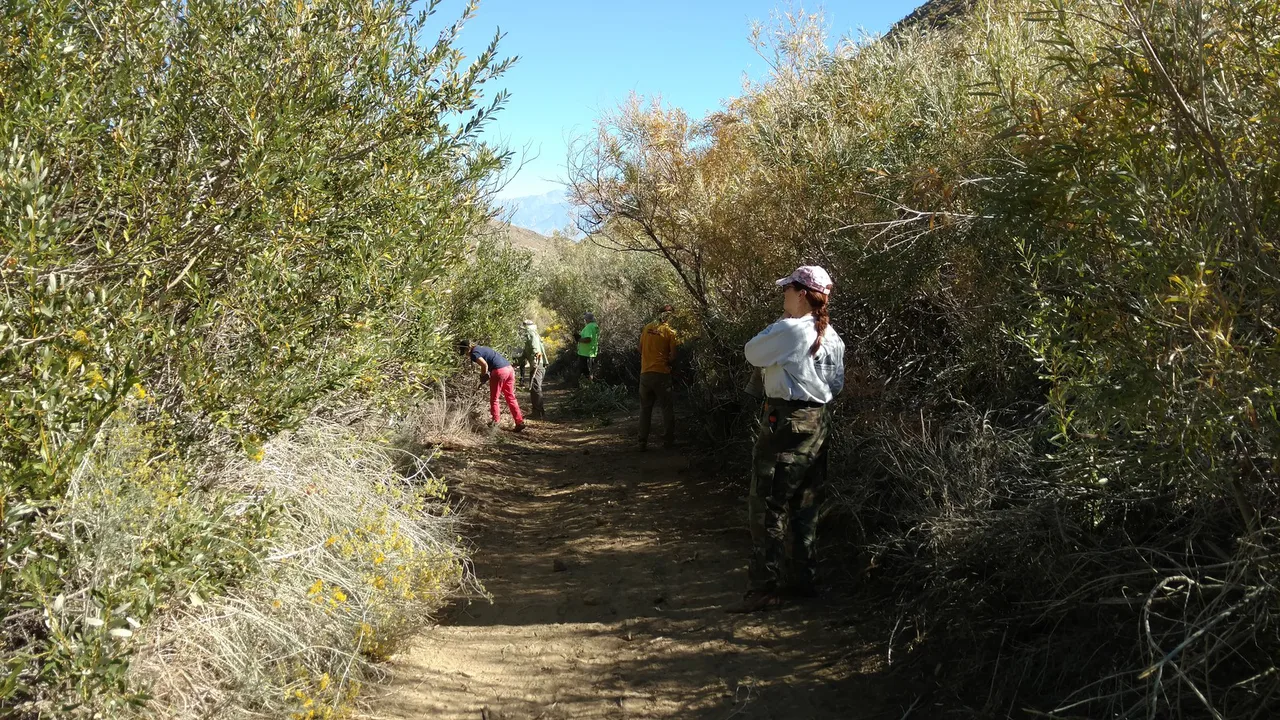
Moore Creek Park's Lake Hennessey Shoreline Trail is the flattest real hike in the county, running along the water and doubling as part of the Napa-Solano Audubon Birding Trail, marked with colorful signs. It is an out-and-back, so you can turn around whenever your dog has had enough, which makes it forgiving for older dogs and mixed-energy households.
Where you start matters. Coming in from the Conn Valley gate gives you a flat, stroller-friendly approach; coming from the Moore Creek Park staging area puts one stream crossing between you and the shoreline. A confident dog will splash through, but a small dog or a dog who dislikes water may need to be carried or routed around, so choose the gate with your dog in mind.
For a longer day, the Shoreline Trail runs a little more than a mile from the Conn Valley gate to the Sam the Eagle Trail, a 1.1-mile climb to Alta Hennessey, then about half a mile back down to the shoreline via Alta Hennessey or Ken's Cutoff. That loop gives fit dogs a climb and a swim-adjacent finish, while the flat out-and-back keeps the outing gentle.
Lake Hennessey is bird habitat, so keep your dog out of the shallows where waterfowl nest and give wildlife a wide berth. Leash rules along the shoreline come from the land manager, and the safest read is to keep your dog leashed here regardless of what other visitors are doing, both for the birds and for the cyclists who share the corridor.
Skyline Wilderness Park and the Lake Marie Trail
Skyline Wilderness Park's Lake Marie Trail is the strenuous option: a climb with a cave, old stone ruins and Lake Marie itself at the top if you have the legs for it. It suits fit, conditioned dogs and cool mornings, and it rewards the effort with landmarks that keep a hike interesting rather than just long.
Treat this as a half-day commitment. The grade and the exposure mean you want to start early, carry more water than feels necessary and turn around if your dog starts lagging or seeking shade. If your dog is new to hill hiking, build up on Alston Park's rolling trails first and save Lake Marie for a return trip.
Wineries and Patios After the Hike
A morning trail followed by an afternoon tasting is the standard Napa dog day, and the region's tourism board markets pet-friendly hotels, wineries and patios with treats and perks. The practical catch is that dog policies are set venue by venue, often limited to outdoor patios and sometimes to certain hours, so a place that welcomes dogs on Tuesday may not on a busy Saturday.
Build the afternoon around your dog's energy rather than the other way around. After a real hike, most dogs want water, shade and a nap, not a crowded patio, so a short first stop with a bowl of water beats a three-hour tasting. Carry your own water and a mat, and ask on arrival where dogs are permitted so you are not negotiating mid-seating.
Rules That Actually Get Enforced on Napa Trails
Leash requirements vary by land manager. City and county parks, state park trails and open-space district property each set their own rules, and Alston Park's off-leash summit acreage is the exception rather than the norm. The posted board at the trailhead is the authoritative version, and it can differ from what a website said last season, so read it before you unclip anything.
Expect enforcement around three things: leash length where leashes are required, boundaries of designated off-leash areas, and waste pickup. Carry bags even on short loops, because a park with no water and no facilities also has no bag dispenser on the far side. Vaccination tags are worth carrying on the collar, especially if you plan to use a fenced dog park like Canine Commons.
Service animals are covered by the Americans with Disabilities Act and are not pets, so their access follows different rules than the pet policies described here. If you are traveling with a service dog, the relevant rules come from the land manager, not from a dog-friendly listing.
What to Pack and When to Go
Start with water: at least a liter per dog for a two-hour hike in warm weather, plus a collapsible bowl, because Alston Park has none on site and river trail sections can leave you far from a fountain. Add a towel for creek-soaked paws, waste bags, a leash plus a backup, and a mat for shade breaks on exposed gravel.
Rubber booties are worth packing for gravel lots and dark asphalt on hot afternoons, and they help on the sharp volcanic dirt around Skyline. Time your day in a triangle: exposed river paths at first light, wooded trails like the History Trail in the middle of the day, and Alston Park in late afternoon when the orchard hills pick up a breeze.
Season matters more than most visitors expect. Late winter and spring bring blossoms and wildflowers and the most comfortable temperatures for hill walks. Summer afternoons push pavement heat past what paws tolerate, so shift to shaded forest routes and keep hikes shorter than you would at home. Fall is the sweet spot for longer ridge walks before the first rains.
Trail Etiquette and the Real Trade-Offs
Weekends bring crowds to Alston Park and the Napa Valley Vine Trail, and shared paths mean bikes approaching from behind. Walk on the right, keep a short leash on blind corners, and teach a reliable step-off cue before you arrive. A dog who can move to the shoulder on command is welcome almost anywhere; one who blocks the path is a problem even in a dog-friendly park.
At Lake Hennessey, the trade-off is wildlife. The shoreline is prime birding, and a dog charging the water disturbs nesting birds and puts you on the wrong side of land manager rules. Keep your distance, leash up near the water, and treat the birding signs as a map of where to slow down.
Knowing yourself and your dog is the real plan. Off-leash acreage only works for dogs with solid recall; fenced parks only work for dogs who enjoy strange dogs; long forest climbs only work for dogs in condition. Pick the walk that fits what you already have, and you will not need to rescue a plan that was never workable.
Plan Your Visit
Napa rewards a simple strategy: one hill walk, one flat walk and one shaded walk across a long weekend, each timed to the day's heat. Alston Park handles the first, the Napa River and Bay Trail the second, and Bothe-Napa Valley State Park or Lake Hennessey the third, with Skyline reserved for fit, conditioned dogs. If you are comparing wine-country towns by their trail access, the dog friendly hikes albuquerque guide shows how a similar hill-and-river split plays out elsewhere.
Before you go, check the trailhead board for current leash rules and call ahead on any add-on like the mill tour, since fees and schedules shift by season. If you are still picking a base, weigh proximity to the trailheads you want against parking ease.
For the non-hiking parts of the trip, use this as your starting point for the dog-friendly Napa plan and build around the parks that already fit your dog's energy. The best Napa dog day is the one you can repeat tomorrow without a recovery day.
Frequently Asked Questions
Can dogs go on hikes in Napa?
Yes. Several Napa County trails and parks allow dogs on leash, including Alston Park off Dry Creek Road, sections of the Napa River and Bay Trail, the History Trail at Bothe-Napa Valley State Park and the Lake Hennessey Shoreline Trail. Leash rules are set by the land manager and can change by season, so read the trailhead signage rather than relying on a website.
Is Alston Park off-leash?
Alston Park has two designated off-leash situations: roughly 30 acres at the summit and the fenced three-acre Canine Commons dog park. The connecting trails and the parking area are not automatically off-leash. Off-leash rules can change seasonally, so check the posted signage at the lot before you unclip.
Are dogs allowed on the Napa River and Bay Trail?
Dog owners walk the completed sections of the Napa River and Bay Trail, which are flat and stroller-friendly. Access conditions and leash rules are set by the managing agency, and the trail is built in segments rather than as one continuous route, so check which section you plan to walk and confirm the current rules at the trailhead.
Are dogs allowed at Bothe-Napa Valley State Park?
The History Trail, a 1.2-mile one-way route from near the Pioneer Cemetery to Bale Grist Mill, is the standard dog walk here, with forest and creek shade along the way. Dogs stay on the trail and out of the mill buildings. The mill grounds tour carries a separate fee, and state park rules and fees can change, so confirm both with the park before your visit.
Is there water at Alston Park for dogs?
No. There is no water available in the park, including at the gravel parking lot, so bring enough for both you and your dog, particularly on warm days when the hillsides are exposed. A collapsible bowl and a backup bottle are worth the space on a summer morning.
Where can I hike with my dog near Napa Valley?
The strongest options are Alston Park for orchard hills, the Napa River and Bay Trail for flat paved miles, the Lake Hennessey Shoreline Trail from Moore Creek Park for birding and open water, the History Trail at Bothe-Napa Valley State Park for forest shade, and Skyline Wilderness Park's Lake Marie Trail for a strenuous climb. Moore Creek Park has one stream crossing if you enter from the staging area rather than the Conn Valley gate.
Are Napa wineries dog friendly?
Many Napa wineries and restaurants welcome dogs on outdoor patios, and the region markets itself as pet-friendly, but policies are set venue by venue and often limited to outdoor seating. Confirm the dog policy directly with any winery or restaurant you plan to visit, and expect a tired dog to prefer water and shade over a crowded patio after a hike.
How should I time a Napa dog hike around the heat?
Walk exposed routes like the paved river trail at first light, use shaded forest trails during the middle of the day, and save open hill parks such as Alston for late afternoon. Test pavement with the back of your hand before setting out, and carry more water than your dog usually drinks at home.
Sources
Notes for your next trip with your dog
Optional updates when we add cities and guides.
You might also like
Continue reading
More guides you'll find useful