Dog-Friendly Beaches Houston: Which Ones Actually Allow Dogs
Which beaches near Houston allow dogs, how far they are, and what to expect on leashes, sand and summer heat. Plus city parks for dogs when the coast is a haul.
On this page
Houston sits inland, so there is no city beach to walk your dog to after lunch. The closest bayfront sand lies roughly an hour southeast toward La Porte and Seabrook, and the open Gulf beaches of Galveston Island are a bit further along the same corridor. That drive shapes everything about the day: which beach you pick, when you leave, and whether you attempt it in August at all.
Dog access is not one rule along this coast. A city beach park, a county pocket park, a Texas state park and a national seashore each set their own leash policy, hours, wildlife restrictions and entry terms, and the details live on each site's own signage and web pages. Treat any list, including this one, as a starting point and read the posted rules on arrival. If you want the fuller picture of the city with a dog in tow, our dog friendly houston guide covers parks, patios and neighborhoods beyond the sand.
Quick Answer: Where the Sand Is and How Dog Rules Work
Plan around three tiers of coast. The close-in bay beaches at La Porte and Seabrook are the shortest haul from central Houston, Galveston Island is the classic Gulf beach day, and Mustang Island and Padre Island sit far down the coast near Corpus Christi, where the drive itself becomes the trip. Distance is the first filter, because a dog in a hot car turns a two-hour drive into a harder day than the beach itself.
Within each tier, ask two questions before you pack the car: is the beach leased or off-leash, and does the site have seasonal, wildlife or time-of-day restrictions. Nesting shorebirds and sea turtles drive closures on Gulf beaches at certain times of year, and those change annually. Posted signs at the access point and the managing agency's website are the authoritative version, not a blog post or an old review.
For scale on leashing, Harris County defines restraint in unincorporated county areas as a line or leash no more than six feet long held by a person capable of controlling the animal, under its animal regulations. That is a county standard, not a Galveston city ordinance, but it is a sensible default length for a beach walk where a wildlife officer or park ranger is watching. A standard six-foot lead plus a long line for open sand covers most situations. If you want to see how another inland city handles this same six-foot question, our guide to dog friendly beaches detroit makes a useful comparison.
Galveston Island: Stewart Beach and East Beach
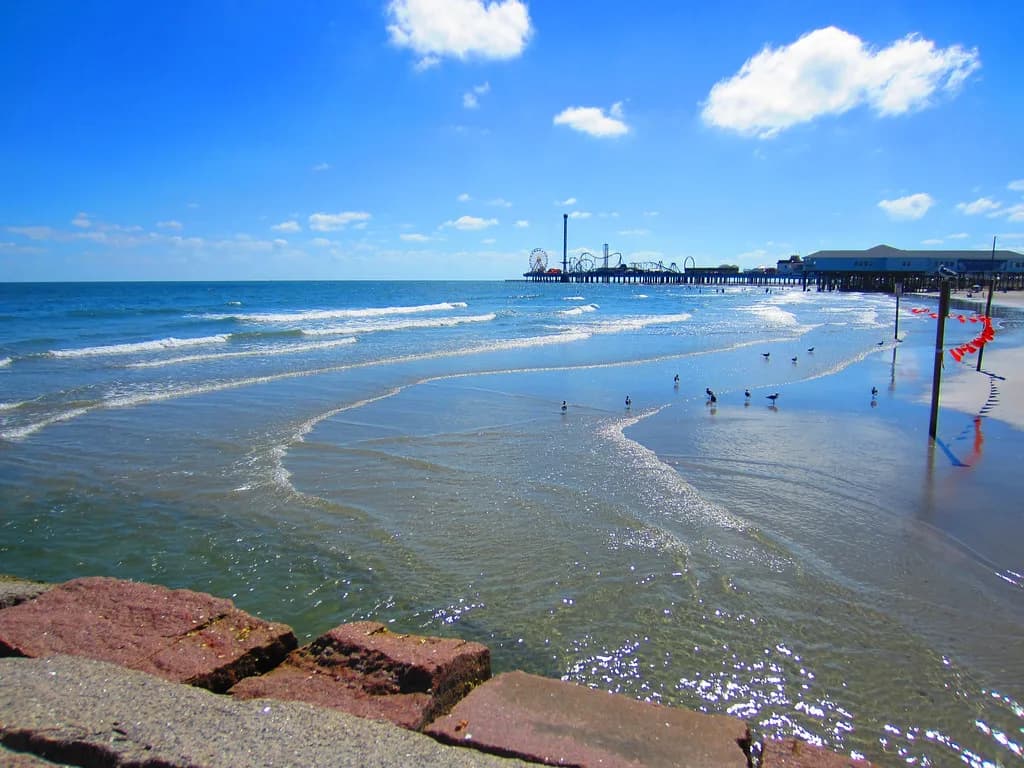
Stewart Beach sits at the eastern end of the Galveston seawall near the downtown grid, and East Beach lies further east along the island, away from the busy seawall strip. Travel writing on Texas road trips reports both as dog-friendly, with East Beach described as the quieter of the two; that is a third-party account rather than an official beach policy page, so check the latest rules with the Galveston Island Beach Patrol, which manages Stewart Beach, before you commit to the drive. Stewart Beach's proximity to the seawall makes it the easier choice if you also want restaurants and a promenade walk in the same outing.
Both are managed beach parks with amenities such as restrooms and concessions, which matters with a dog because you have somewhere to rinse off and refill. Expect a per-vehicle entry charge at Galveston's managed beaches; the amount changes by season and day, so check the beach operator's page when you plan rather than budgeting from an old figure. Arrive early enough to park close to an access point, since hauling a leash, water and shade across hot sand is the least pleasant part of the day.
Between beach time and the drive home, Galveston's seawall and downtown blocks give you a place to stretch everyone's legs, and several patios around the island welcome leashed dogs. For a broader shortlist of patios and sidewalk tables across the metro, our dog friendly restaurants houston roundup is organized by neighborhood and policy. Keep the beach and the meal separate in your head: a restaurant patio is a leashed, seated stop, not a place to dry a wet dog.
Sylvan Beach Park in La Porte: Closest Sand to Downtown
Sylvan Beach Park in La Porte is the nearest beach to downtown Houston, and Visit Houston's beaches page states plainly that pets are permitted there, alongside bonfires and horses. That makes it the practical pick when you want sand and salt air without committing to a full Galveston day. The park sits on Galveston Bay, so the water is calmer and shallower than Gulf surf, which suits dogs that are unsure of waves.
Because it is a city park rather than a state or national site, the operating rules you care about are local park hours, leash requirements and waste rules, and those are posted at the park. Read them at the entrance rather than presuming they match Galveston. The bay-side setting also means packed sand and shallow edges, so a towel and fresh water for rinsing matter more than surf gear.
La Porte is an easy add-on to a bay-area morning, and the drive back into Houston passes close enough to other stops that you can pair the beach with a leashed walk later in the day. Confirm the park's current hours and any event closures on the city's parks page before a weekday trip, since a special event can take over a waterfront park without much notice.
El Jardin Beach in Seabrook: A Low-Key Bayfront Stop
El Jardin Beach in Seabrook is a small bayfront pocket park on the route toward Galveston, useful when you want a short sand stop rather than a full beach day. It is frequently recommended by locals in southeast Houston-area community groups as a dog-friendly shoreline, but community recommendations are not a published policy, so look for posted signage at the entrance and follow it. The appeal is precisely its size: quick in, quick out, and no long walk from parking.
Treat El Jardin as a leg-stretch rather than the destination. Seabrook and Kemah sit nearby, and the waterfront areas there give you a place to walk a leashed dog and grab food, which makes a bayfront morning out of a modest beach stop. Because the park is small, it also fills quickly on pleasant weekends, and a crowded shoreline is a poor place for a dog that needs space.
Mustang Island and Padre Island: State Park Versus National Seashore
Further down the coast, the two big stretches of sand behave very differently for dogs. Texas state parks generally allow leashed pets in most areas, and Mustang Island State Park is described in dog-travel writing as a dog-friendly beach that draws fewer crowds. Padre Island National Seashore, a national park unit, is reported to allow dogs nearly everywhere except inside buildings. Those are meaningful differences in scope, and the park service and Texas Parks and Wildlife publish the current versions on their own sites.
The practical consequence is that a national seashore can offer miles of open beach for a leashed walk, while a state park gives you camping, trails and ranger programming in the same trip. Both require you to keep your dog leashed and away from wildlife, and both enforce seasonal protections for nesting birds and turtles. Check each park's site for current pet pages, entrance terms and any beach-driving rules before you book, because driving onto the sand is regulated separately from walking on it.
This tier only makes sense as an overnight or a long weekend. Corpus Christi is the natural base, and the bay trail there plus the state park beaches give you several dog-friendly days without repeating the same walk. Building the trip this way also means you are not driving four hours each way in a single day with a dog in the back seat.
How Far Is Too Far: Drive Time, Tolls and Houston Heat
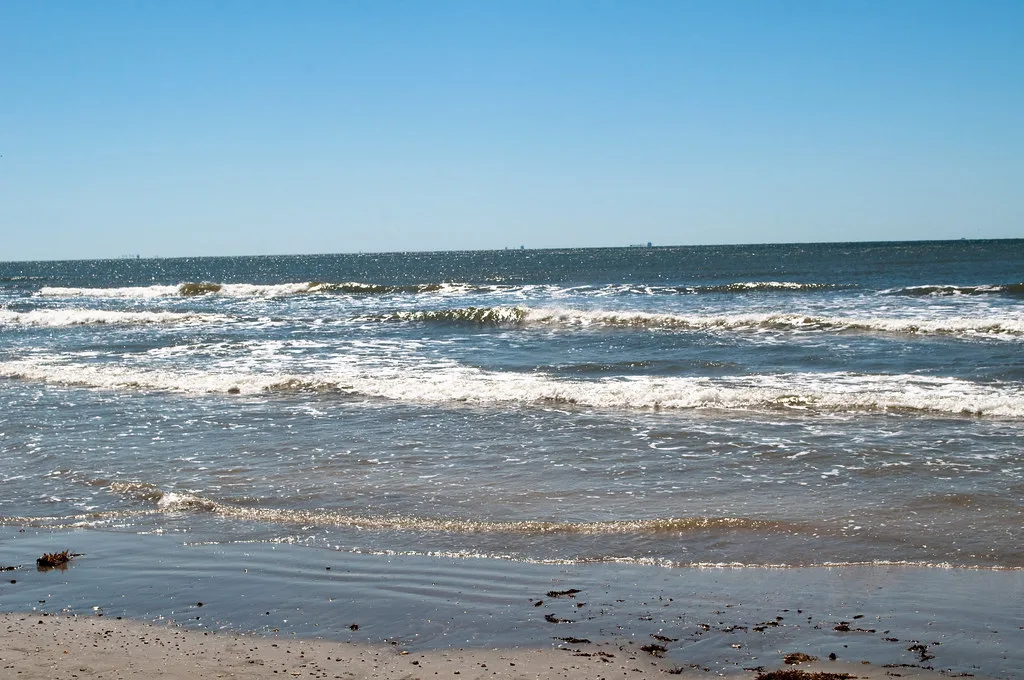
The honest planning constraint is not distance but temperature. A Gulf beach day from Houston means leaving early, spending the middle of the day near water or shade, and skipping the temptation to walk bare sand at 2 p.m. Sand and pavement both run hotter than air temperature, and a dog's paws feel that long before you do. Test the surface with the back of your hand for a few seconds before you let your dog walk on it.
Route planning is straightforward: the bay beaches sit southeast of downtown via the La Porte and Seabrook corridor, while Galveston is a straight run down Interstate 45 with toll options that vary by route. Build in one shade-and-water stop on the way, and carry more fresh water than you think you need, because beach concessions are not guaranteed to have a dog-friendly bowl or a shady spot.
If a coast run does not fit the day, Houston itself has a strong substitute. Buffalo Bayou Park runs 160 acres just west of downtown between Allen Parkway and Memorial Drive, with hike and bike trails, gardens and picnic spots. Park rules require pets on leash except in dog parks, and owners must clean up after them under city ordinance, so a leashed bayou walk is a legitimate beach alternative on a hot or stormy day.
If You Skip the Coast: Buffalo Bayou Park and Johnny Steele Dog Park
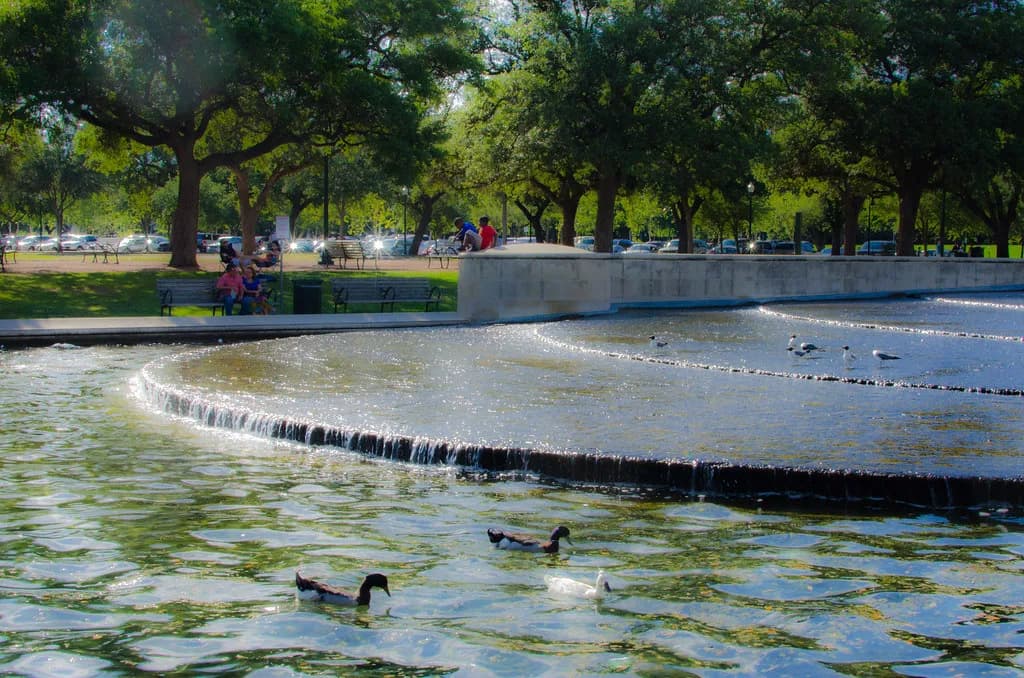
Buffalo Bayou Park's trails are the city's best stand-in for a long waterfront walk, and the setting is genuinely pleasant: paved paths, native plantings and skyline views from the lawn at The Water Works. The park's posted hours are 6 a.m. to 11 p.m. in lighted areas and dawn to dusk elsewhere, so an early-morning or evening walk avoids the worst heat. Restrooms at The Water Works and at Lost Lake are another reason to base a walk there.
Johnny Steele Dog Park, at 2929 Allen Parkway on the south bank just west of Montrose Boulevard, is the park's dedicated off-leash area with washing stations and drinking fountains fitted with dog spigots. Buffalo Bayou Partnership lists it as temporarily closed following storm damage, so check the partnership's page and social channels for reopening before you plan around it. When it is open, the posted rules are specific: a maximum of two dogs per person, dogs over 25 pounds or taller than 15 inches kept out of the small-dog area, city registration and rabies tags visible, and no puppies under four months.
That last set of rules is worth internalizing wherever you go, because it reflects how Houston regulates dogs generally. If you are traveling with a dog that is intact, very young, or reactive, the bayou trails remain a good leashed option while the dog park may not be. For a wider map of fenced and unfenced options across the metro, our guide to dog parks in houston is organized by neighborhood and surface type.
Where to Sleep: What Houston-Area Hotels Publish on Pets
If your beach day turns into an overnight, the hotel choice matters more than at home, because pet terms vary wildly between properties that all call themselves pet friendly. In the north and northwest Houston corridor, published policies include a per-day fee at one budget property, a per-room charge covering the first few days at another, and flat non-refundable cleaning fees at the extended-stay brands. Those figures come from an aggregator's listing of stated policies and can be out of date, so confirm the current term when you book.
Read the details, not the label. Some properties cap dogs by weight or by count, and a few listings in that same corridor show restrictions such as a 50-pound per-pet limit or a combined 75-pound limit for two dogs. Others require vaccination records at check-in or a signed pet agreement, and at least one lists a cage requirement if the dog stays alone in the room. A property that charges a flat fee per stay is usually cheaper than a per-night fee for a multi-night beach trip, so compare the total rather than the headline number.
Service animals are covered by the ADA and are not subject to pet fees or pet restrictions, which is a separate matter from the pet policies above. For a fuller comparison of properties by neighborhood, fee structure and weight cap, our dog friendly hotels houston guide sorts them the same way, and it is the faster read if you are choosing between two bookings.
Pack List for a Gulf Coast Beach Day With a Dog
Start with water and shade, then add the items that are annoying to improvise. Two gallons of fresh water for a single dog on a hot day is not excessive when you account for drinking and rinsing, and a pop-up shade or a beach umbrella with a sand anchor keeps a dog out of direct sun between swims. Bring a stake-out line or a second leash so you can secure your dog while you set up, plus towels and a blanket for the car seat home.
Paw protection deserves its own line on the list. Booties work on hot sand and shell-strewn stretches, but many dogs need a few short practice walks in them before the beach, so introduce them at home. A first-aid pouch with tweezers for shell cuts and a way to rinse saltwater out of ears rounds it out, and a supply of waste bags is non-negotiable because cleanup rules apply on every beach in the region.
Finally, pack for the return leg. A jug of fresh water for a rinse before the car, an old towel, and a plan for where the dog rides keep the drive home tolerable. If your dog is not a confident swimmer, a well-fitted flotation vest is worth the space, and a long line lets you give more freedom on open sand without losing voice control in the wind.
Etiquette and Posted Rules: Leashes, Waste and Wildlife
Beach etiquette with a dog comes down to three habits: keep the leash in hand, pick up everything, and give wildlife a wide berth. Dunes above the tideline are fragile and often off-limits, and birds nesting on open sand will react badly to a dog at a distance, so steer around roped areas even when the rope looks informal. Gulf beaches post wildlife protections seasonally, and those signs override whatever the general beach rules say.
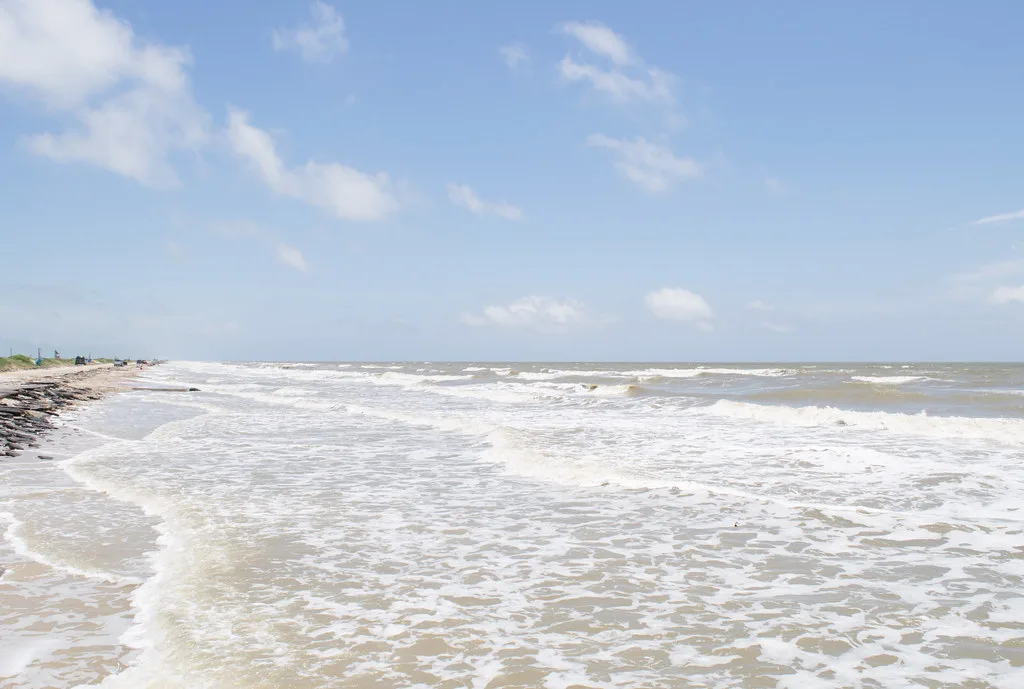
Around other people, keep your dog close at the water's edge and ask before letting dogs greet. A crowded beach is not a dog park, and children running at the surf line can startle even a steady dog. If your dog is easily overwhelmed, go early, go to a quieter stretch such as East Beach, or choose a bay-side park like Sylvan Beach where the water is calmer and the scene smaller.
For the city side of the trip, the bayou park's posted rules give a good template for what Houston expects everywhere: leash on except in designated dog areas, waste removed under city ordinance, and no disturbance of plants or wildlife. Those habits translate directly to the coast. Carry bags even when you think the beach is empty, because the fine for leaving waste behind does not care whether anyone was watching.
When to Go: Heat, Sand and Timing
Time the day around temperature rather than crowds. On the Gulf coast, morning is the window when sand is coolest, light is softest and parking is easiest, and an early arrival also beats the afternoon buildup on the drive back through the Houston suburbs. Shoulder seasons are more comfortable than mid-summer for a dog in a car, and a mild winter day can be the best beach day of the year along this coast.
Check the forecast for heat and storms the day before, and build a bailout option into the plan. If the beach is windy and stinging with sand, a bay-side park on the leeward shore is a decent substitute, and if a storm rolls in, the bayou trails in Houston are a shorter retreat than sitting out a squall on the seawall. A flexible plan is what makes a dog beach day workable rather than a forced march.
Plan Your Visit
Pick one beach tier and build the day around it: Sylvan Beach in La Porte for the shortest drive, Galveston for a full Gulf day, or the lower coast for a weekend. Match the leash and wildlife rules to that specific site's posted signs, confirm any managed-beach entry terms when you plan, and read your hotel's pet fee and weight policy before booking rather than at check-in. A dog-friendly beach day near Houston is mostly a logistics exercise, and the payoff is a tired, happy dog in the back seat.
Frequently Asked Questions
Where is the closest beach to Houston where dogs are allowed?
Sylvan Beach Park in La Porte is the nearest beach to downtown Houston, and Visit Houston's beaches page states that pets are permitted there. It sits on Galveston Bay, so the water is calmer than Gulf surf. Check the park's posted hours and leash rules on arrival, since those are set locally.
Are dogs allowed at Stewart Beach and East Beach in Galveston?
Both are reported as dog-friendly in travel writing about Texas road trips, with East Beach described as the quieter option. That is not an official beach policy page, so confirm the current rule with the beach operator or at the entrance. Galveston's managed beaches change entry terms by season and day.
Is Johnny Steele Dog Park open right now?
Buffalo Bayou Partnership lists the dog park as temporarily closed after storm damage and directs visitors to its page and social channels for reopening news. When it operates, hours run 7 a.m. to 8 p.m. with cleaning closures on Tuesday and Friday afternoons. The posted rules include a two-dog limit per person and a small-dog cutoff of 25 pounds or 15 inches.
What leash rule applies in Houston and Harris County?
Buffalo Bayou Park requires pets on leash outside the dog parks, and owners must clean up under city ordinance. In unincorporated Harris County, the animal regulations define restraint as a leash no more than six feet long held by someone able to control the dog. Beach cities and state or national parks set their own leash rules.
Do national seashores and state parks have the same pet rules?
No. Padre Island National Seashore is reported to allow dogs nearly everywhere except inside buildings, while Texas state parks generally permit leashed pets in most areas. Each park publishes its own pet page, entrance terms and seasonal wildlife protections. Read the site page for the specific park before you go, and follow posted signs at the beach access.
What should I pack for a beach day with a dog near Houston?
Bring at least two gallons of fresh water for one dog on a hot day, a shade shelter, towels, waste bags and a stake-out line or second leash. Add paw protection such as booties, introduced on short walks beforehand, and a flotation vest for a weak swimmer. Rinse saltwater and sand off before the car ride home.
Do hotels near Houston charge pet fees, and how are they structured?
Published policies in the north and northwest Houston corridor include per-night fees, per-stay fees and flat cleaning charges, plus weight caps and dog-count limits that vary by property. Those listings can be out of date, so confirm the current terms when you book. Service animals are handled separately under the ADA and are not subject to pet fees.
How do service-animal rules differ from pet rules at beaches and hotels?
Service animals are covered by the Americans with Disabilities Act and are not subject to pet fees, weight limits or pet restrictions, which is why hotel listings often name them separately. Pet policies apply to dogs traveling as pets, including fees, count limits and vaccination requirements. Beach access rules are set by the managing agency and posted at the site.
Sources
Notes for your next trip with your dog
Optional updates when we add cities and guides.
You might also like


Continue reading
More guides you'll find useful