Dog-Friendly Camping Salt Lake City: Where to Stay
Plan dog-friendly camping near Salt Lake City, from Uinta-Wasatch-Cache forest sites to Great Salt Lake State Park and desert basecamps farther south.
On this page
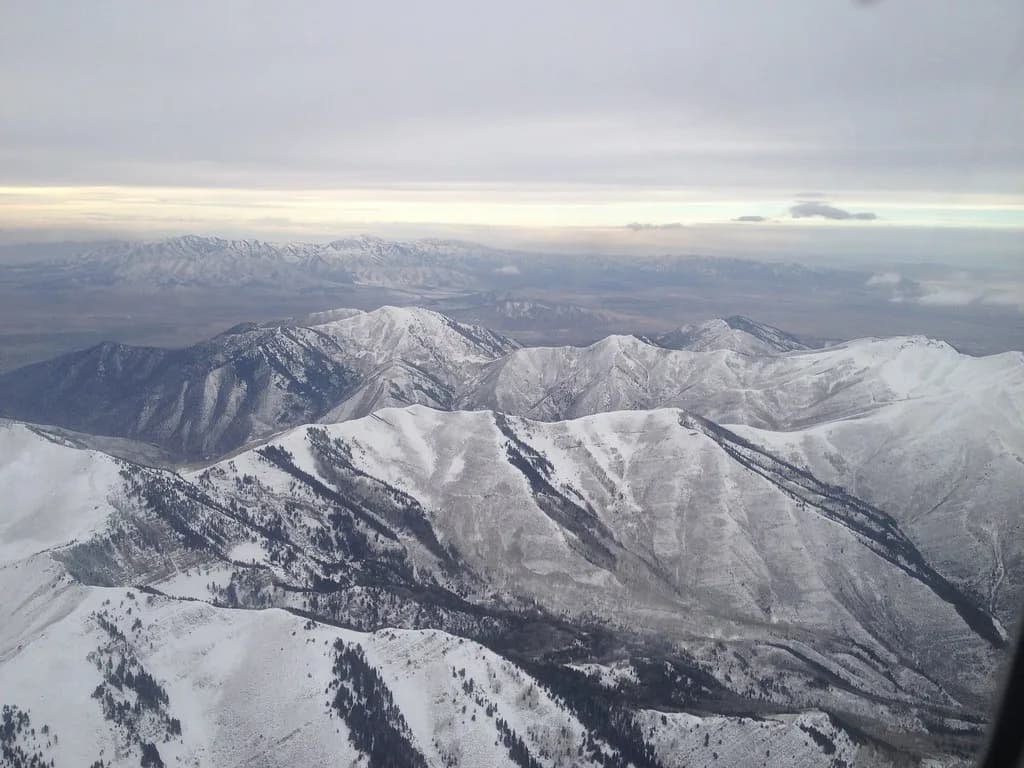
Salt Lake City stacks three very different camping landscapes within a few hours of downtown: the forested Wasatch front to the east, the Great Salt Lake shoreline to the northwest and red-rock canyon country to the south. That range is good news for dog owners, because it lets you pick a site by temperature and terrain rather than settle for whatever is closest. The trade-off is that pet rules come from several different agencies, so the campground you book matters as much as the zip code you start from.
This guide sorts the options by what they actually offer a dog: forest sites run by a single concessionaire, a state park with a beach, and private desert basecamps with off-grid quirks. Pair it with the wider dog friendly salt lake city guide when you want to build in town days around the camping.
Quick Answer: Where Dogs Can Camp Near Salt Lake City
The nearest camping that clearly welcomes pets is in the Uinta-Wasatch-Cache National Forest, the large forested band east and northeast of the city. A single concessionaire, Utah Recreation under the Go Camp Utah brand, manages 135 campgrounds, day-use areas, boat launches and trailheads across seven ranger districts, which is why facilities and site types vary so much from one canyon to the next.
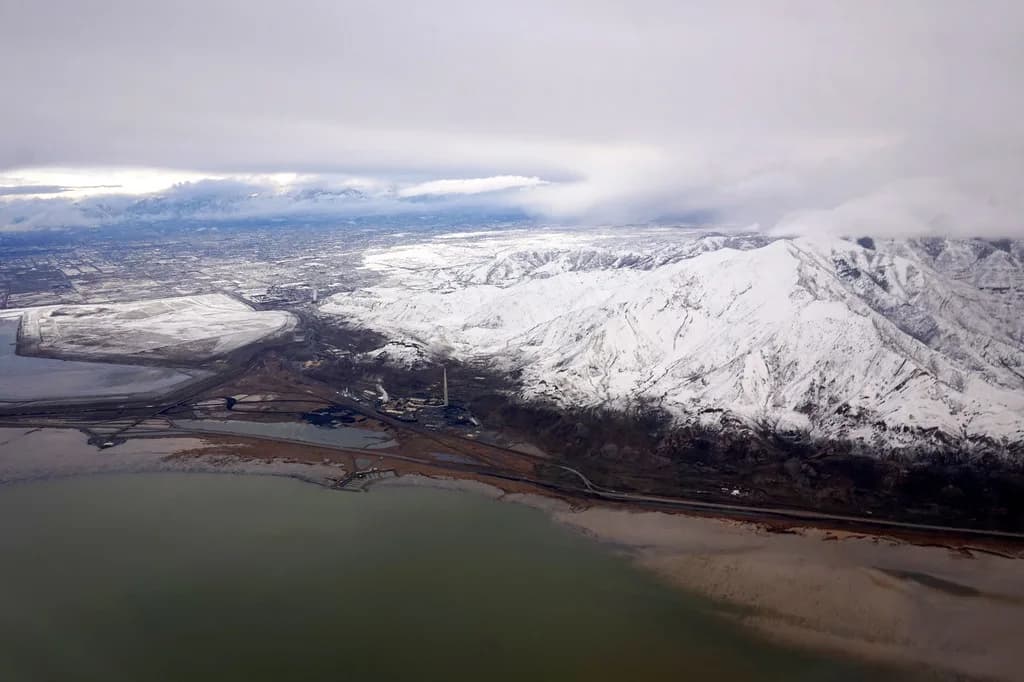
Great Salt Lake State Park is the other close option, and its listing confirms pets are allowed alongside picnic areas and campsites. The catch is the camping itself: the beach sites are tent only, with no hookups or vehicle access, so a dog-friendly spot here means carrying your gear rather than parking beside it.
Everything south of the metro, from Zion country to Moab, is a road-trip decision rather than an afternoon one. Those desert basecamps often welcome dogs but trade shade and water for quiet and open sky, and the listing details below show exactly where that trade-off bites. National park campgrounds in Utah are a separate category: pets there are generally limited to developed areas and campgrounds, and the specific rules live on each park's own site.
How the Region Is Laid Out for Camping Dog Owners
Think of Salt Lake City as the hinge of three camping zones. East and northeast, the Wasatch Range rises quickly into national forest, so you can leave the valley and be at elevation within a short drive; north and west, the Great Salt Lake flats are low, open and exposed; south, Interstate 15 runs toward canyon country where the drive stretches to several hours. Choosing a zone first keeps you from booking a site that fights your dog's tolerance for heat or crowds. If your travels point west instead, the same zone-and-season logic applies to dog friendly camping mammoth lakes, where elevation drives the choice.
Elevation is the useful variable. Forest canyons sit high enough to stay noticeably cooler than the valley in midsummer, while the lake shoreline and southern desert bake in the same months. In the shoulder seasons the math flips, and lower, sunnier sites become the comfortable choice. Before you reserve, check the elevation listed for the specific campground rather than the forest as a whole.
For town time before or after your nights out, the dog friendly restaurants salt lake city roundup covers patios where a well-mannered dog can join you. Many campers pair a final morning in the city with a grocery stop, since forest and desert camp stores stock limited supplies.
Uinta-Wasatch-Cache National Forest: The Default Basecamp
This forest covers more than 2 million acres across northern Utah and reaches into Idaho and Wyoming, which is why it functions as the metro's backyard. The concessionaire manages campgrounds, day-use areas, boat launches and trailheads across seven ranger districts, and its site is the place to check what is open and how to reach each one. Because one operator runs so many sites, booking through that system is simpler than hunting individual listings.
Pet rules are set per site, not per forest, so treat the individual campground page as the authority for leash requirements, quiet hours and whether dogs are allowed in specific loops. The forest's published guidance points visitors to facility details, features and policies before arrival, and quiet hours after 10 p.m. show up in visitor feedback about canyon campgrounds. Read the listing for your exact loop and note anything the page leaves blank so you can settle it when you book.
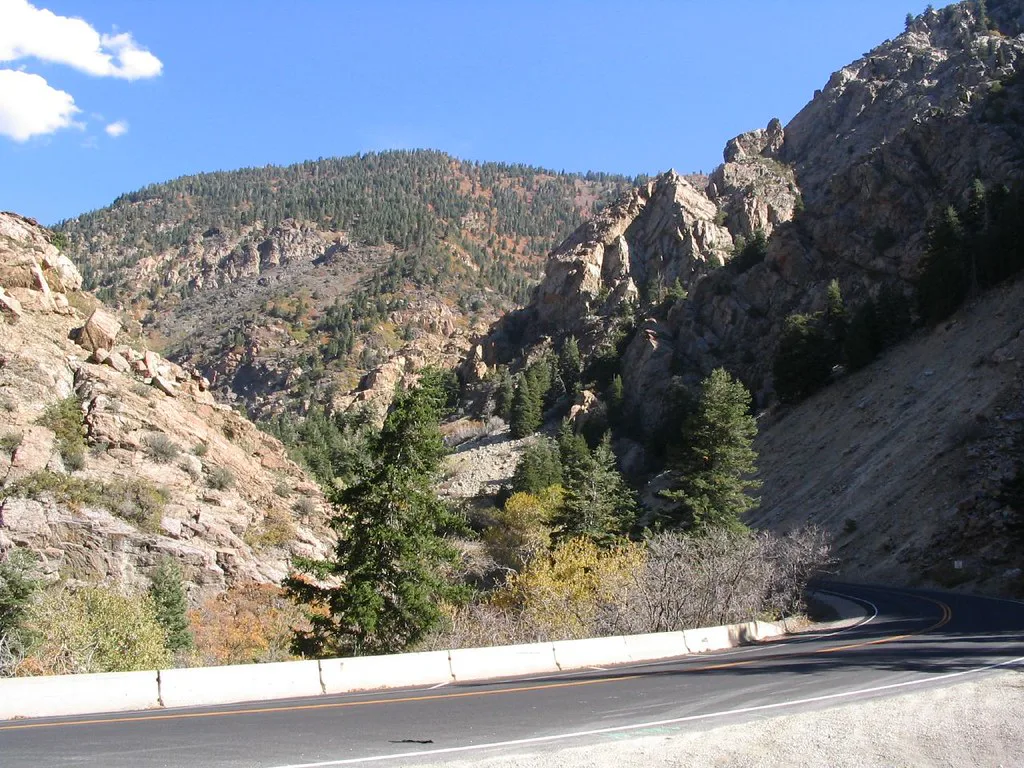
A practical split: choose a canyon campground close to the Salt Lake Valley for one or two nights, and save the higher, remoter districts for trips when you want trail access from your site. Creekside loops give dogs shade and a water source nearby, while exposed ridge sites are better in cooler months. Cell coverage and water availability differ by district, so plan your dog's water supply before you leave pavement.
Great Salt Lake State Park: Pets Allowed, Beach Camping Is Tent-Only
The state park's own page lists pets as allowed, which makes it the simplest close-to-town option for a shoreline walk with the dog. It also lists picnic areas and limited camping with partial-hookup campsites, so a rig can stay here even though the beach itself is not open to vehicles.
The beach sites are the detail that catches people out: they are tent only, with no hookups and no vehicle access. If your dog's comfort depends on the car, air conditioning or a familiar crate, a partial-hookup site near the developed area will suit you better than hauling everything onto sand. Read the park page's camping section before choosing between the two.
Shoreline conditions deserve a look too. Great Salt Lake flats are open, salty and often breezy, with little natural shade, so time walks for cooler hours and rinse paws afterward. Brine flies and soft mud in places make a towel and fresh water worth packing even for a short stay.
Choosing a Forest Campground by Altitude and Season
In July and August, aim high. Canyon campgrounds in the Wasatch canyons sit cooler than the valley floor, and the forest's higher districts offer the biggest temperature drop. The trade-off is that popular high-elevation loops fill first on summer weekends, so reserve early or shift your trip to midweek.
In late spring and early fall, lower and more open sites come into their own. Snow can linger at elevation into spring and return early in autumn, so a lower canyon campground extends your season on both ends. Ask about water shutoffs and gate closures for the specific dates you plan, since these vary by site and year.
For a desert basecamp, invert the logic entirely: southern Utah is best in spring and fall, and midsummer means early starts and shaded midday rest. Private camp listings in the south often note their own elevation and shade, and Where The Wild Things Camp near Moab points to the La Sal Mountains nearby, which rise above 12,000 feet, as a place to escape the heat.
Southern Utah Basecamps That Welcome Dogs
If you are extending the trip south, several private campgrounds publish pet-friendly policies. Zion Wright Ranch Eco-Camp in Virgin spreads across 1,200 acres overlooking Zion National Park and states that pets and campfires are allowed, with spaced-out sites and bathrooms on site. The listing notes it is roughly 40 minutes from the park's main gate, so plan dog walks around the ranch rather than inside the park.
Near Moab, Where The Wild Things Camp welcomes non-aggressive dogs but is candid about the setting: off grid, with no electricity, no drinking water and spotty cell service. The listing warns that coyotes, rattlesnakes, deer and antelope share the area, so keeping your dog close and staking tents securely matters more here than at a developed campground. It also asks guests to pack out all trash.
Other southern options round out the map. Thousand Lakes RV Park in Torrey, six miles from Capitol Reef National Park, offers full-hookup RV sites, shaded tent sites and cabins; Desert Bloom Campground outside Kanab has full hookups, a bathhouse and an on-site cafe. Both appear as pet-friendly listings, and both put you near park scenery you will explore without your dog in tow.
Desert Camp Realities With a Dog
Off-grid desert sites ask more of you than a forest loop. At Where The Wild Things Camp there is no potable water and no trash service, so you carry in your dog's water and carry out everything else; the listing stresses pack-in, pack-out. Treat that as a planning constraint, not a suggestion, and budget more water than you think you need.
Wildlife changes how you manage the leash. Coyotes are active around desert camps, rattlesnakes hide in shade and brush, and deer and antelope draw attention; the camp listing flags all of them. Keeping your dog within sight and away from rock piles and tall grass at dawn and dusk is the practical habit.
Cell service gaps are common on the way to remote sites. Where The Wild Things Camp advises downloading directions before you lose signal, and the Needles Outpost listing makes a similar point. Screenshot your route and campground confirmation while you still have bars, and tell someone your arrival window.
Hookups, Cabins and Glamping: Matching Site Type to Your Dog
Site type is really a question about your dog's tolerance. A full-hookup RV site gives you air conditioning, a fridge for water and a predictable crate, which suits heat-sensitive or noise-sensitive dogs. A tent site in a grove of juniper or aspen gives shade and quiet but less control over temperature.
Cabins and glamping tents widen the options. Thousand Lakes RV Park lists deluxe cabins sleeping six, and the Needles Outpost rents glamping tents, including one in a juniper grove where guests can rent a heater from the camp store. Ask whether pets are permitted inside a specific cabin or tent, since house rules differ from tent-site rules.
At the quieter end, The Rockin Robbins Ranch in Santaquin runs a family farm stay with RV and lodging options, an outdoor cafe and shade trees. Arrowhead Campground near Monument Valley offers a large shade structure and potable water for filling containers, a real advantage with a dog in hot country.
Pavement and Paw Safety in Canyon Country
Sandstone and asphalt both hold heat well past air temperature, and southern Utah summer afternoons push surface temperatures high enough to hurt pads. Walk early and late, test the ground with the back of your hand for five seconds, and carry water for drinking and cooling. A shade tarp over the campsite gives your dog a retreat during the worst hours.
Shade is the scarce resource in desert camps. Some listings advertise shade structures or tree cover, such as Arrowhead Campground's large structure and Kolob Campground's aspen, oak and pine setting near Kolob Reservoir. Pick a site with cover if you plan midday camp time, and otherwise plan to be away or in the vehicle during peak heat.
Boots or paw wax help on hot rock and gravel, but they are not a substitute for timing. Rinse salt and dust from pads after lakeside or desert walks, and check pads after long scrambles. On national park days, keep your dog to developed areas as posted, and use a sitter or a doggie daycare for the trails that do not allow pets.
Packing List for a Camping Trip From Salt Lake City
Build the kit around water first: a collapsible bowl, a spare bottle, and enough supply for the whole stay, since some forest sites and all off-grid desert camps lack potable water. At Arrowhead Campground you can fill containers up to 10 gallons, which is useful, but treat it as a top-up rather than your only plan.
Next comes containment: a stake-out line or long tether for camp, a short leash for around other campers, and a mat or bed that smells like home. Add a shade tarp and poles, a towel for mud and salt, waste bags, a first-aid kit and a copy of vaccination records. Boots or paw protection round out the kit for canyon country.
Finally, pack for the campground's rhythm. Quiet hours after 10 p.m. show up in forest visitor feedback, so a chew or long walk before bed helps your dog settle. A familiar blanket and a covered crate cut barking at night, which keeps the site welcoming for the next dog owner.
Campground Etiquette That Keeps Sites Dog-Friendly
Leash length, quiet hours and cleanup expectations come from each campground or agency, so the posted rule at your site is the one to follow. The general standards that travel well: keep your dog leashed and within your site, pick up immediately, and keep barking short by walking your dog away from triggers.
Around other campers, a short leash and a spot near your own rig prevents most conflicts. At off-grid camps where wildlife is present, keep your dog close and avoid leaving food or bowls out overnight. Clean up thoroughly before you leave so the next guest with a dog inherits the same welcome.
Booking Decisions and What to Confirm
Reserve forest sites early for summer weekends and holiday stretches, and check the specific campground page for pet limits and site type before paying. For private desert camps, read the full listing for water, power, cell coverage and wildlife notes, since those details differ sharply between properties. Peak-season demand on the Wasatch front means midweek flexibility pays off.
One call or message to the campground at booking resolves the remaining unknowns: whether pets are capped per site, whether cabins or glamping tents accept dogs, and what the leash rule is on site. Sort those out before you arrive, then enjoy the trip. Great Salt Lake State Park's page is the place to check beach camping details and current conditions.
Plan Your Visit
Start with zone and season: forest canyons east of the city for summer, lower and more open sites in the shoulder months, and southern desert basecamps for spring or fall trips. Match the site type to your dog's comfort with heat and noise, and lean toward shade and water when in doubt.
Book early, confirm the specific pet rules for your site at reservation, and pack more water than feels necessary. Done that way, a Salt Lake City camping trip works as well for the dog as it does for you.
Frequently Asked Questions
Can you camp with a dog near Salt Lake City?
Yes. The closest options are campgrounds in the Uinta-Wasatch-Cache National Forest east and northeast of the city, where one concessionaire manages 135 campgrounds and recreation sites across seven ranger districts. Great Salt Lake State Park also lists pets as allowed, but its beach campsites are tent only with no hookups or vehicle access, so rigs need a partial-hookup site instead.
Does Great Salt Lake State Park allow dogs?
The park's own page lists pets as allowed alongside picnic areas and limited camping. Camping is split between partial-hookup sites near the developed area and tent-only beach sites with no vehicle access, so decide which suits your dog before booking. Shoreline flats are open and breezy with little shade, so plan walks for cooler hours.
Are dogs allowed in Uinta-Wasatch-Cache National Forest campgrounds?
Pet rules are set per campground rather than across the whole forest, so the individual site page is the authority for leash requirements, quiet hours and which loops accept dogs. The forest spans more than 2 million acres and seven ranger districts, so facilities and water availability differ widely. Read the listing for your exact loop before paying.
What should I pack for camping with a dog in Utah?
Start with water: a collapsible bowl, spare bottles and enough supply for the whole stay, because some forest sites and all off-grid desert camps lack potable water. Add a stake-out line or tether, a short leash, a shade tarp, a towel, waste bags, paw protection and a copy of vaccination records. A familiar bed or covered crate helps your dog settle at night.
Are national park campgrounds in Utah dog-friendly?
Treat them as a separate category. Pets in national parks are generally restricted to developed areas and campgrounds, and each park publishes its own rules, so check the specific park's site rather than assuming a campground welcome. For trails where pets are not permitted, plan a sitter or daycare day and keep your dog to posted areas.
When should I book a dog-friendly campsite near Salt Lake City?
Reserve forest sites early for summer weekends and holidays, when high-elevation loops that stay cool fill first. Midweek trips are easier to secure and quieter for noise-sensitive dogs. For private desert camps, read the full listing for water, power, cell coverage and wildlife notes before you pay, since those details vary sharply between properties.
Sources
Notes for your next trip with your dog
Optional updates when we add cities and guides.
You might also like


Continue reading
More guides you'll find useful